
Designing safe and effective stun guns disguised as cell phones hinges on understanding how electrical current spreads, influenced by conductivity, temperature, and resistance variations. By optimizing these factors, engineers can ensure precise pulses, minimize collateral damage, and maximize impact on targets. This analysis is crucial for managing heat dissipation and enhancing energy efficiency in compact electronic devices. Additionally, it aids in developing protective gear and safety protocols, making it a game-changer for personal and public security, especially with the growing popularity of non-lethal self-defense tools like stun guns that look like cell phones.
Electrical current spread pattern analysis is a critical tool in understanding how power flows through various materials. This article delves into the fundamental concept of electrical current dynamics, exploring the intricate relationship between conductivity and resistance. We unravel the electrostatic mystery behind stun gun design, particularly focusing on devices mimicking everyday objects like cell phones. By analyzing current spread, we uncover practical applications enhancing safety measures, providing valuable insights for developers and users alike.
- Understanding Electrical Current Spread: A Fundamental Concept
- The Role of Conductivity and Resistance in Current Flow
- Analyzing Stun Gun Design: Unveiling the Electrostatic Mystery
- Practical Applications: Enhancing Safety with Current Spread Analysis
Understanding Electrical Current Spread: A Fundamental Concept
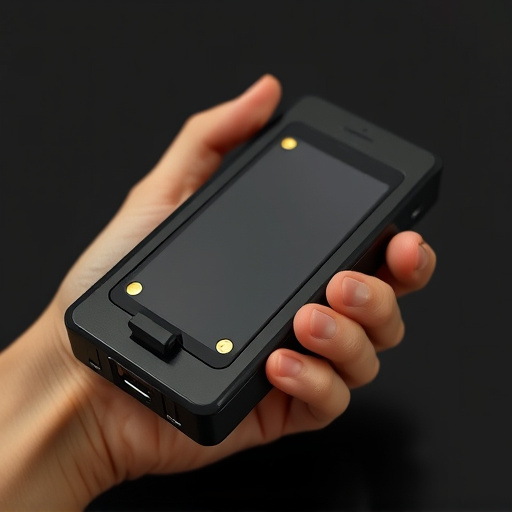
Understanding how electrical current spreads is a fundamental concept in electronics and safety, especially when considering devices like a stun gun that resembles a cellphone. The pattern of current flow plays a critical role in determining the effectiveness and potential risks associated with such tools. When an electric charge moves through a medium, be it a wire or even the human body, it creates a path known as the current’s spread. This process is influenced by various factors, including the material’s conductivity, temperature, and the presence of any obstacles or variations in resistance.
By analyzing this spread pattern, engineers can optimize device performance and design more efficient systems. In the context of non-lethal self-defense tools, such as stun guns, a thorough understanding of current flow is essential for ensuring user safety and effectiveness. This knowledge allows for the development of technologies that deliver precise electrical pulses, minimizing collateral damage while maximizing the impact on the target.
The Role of Conductivity and Resistance in Current Flow

The flow of electrical current is governed by two key factors: conductivity and resistance. Conductivity, much like it sounds, determines how easily a material allows electricity to pass through it. Materials with high conductivity, such as copper or silver, are excellent conductors, enabling the free movement of electric charge. Conversely, materials with low conductivity, like rubber or wood, resist the flow of current, acting as insulators. This property is crucial when designing electrical systems, especially in devices like a stun gun that looks like a cell phone, where efficient current distribution is essential for effectiveness and safety.
Resistance, on the other hand, measures how strongly a material opposes the flow of electric current. It’s often represented by the symbol ‘R’ and is measured in ohms (Ω). Lower resistance allows more current to flow, while higher resistance restricts it. Understanding this relationship is vital for analyzing and optimizing current spread patterns, particularly in compact electronic devices where heat dissipation and energy efficiency are critical considerations.
Analyzing Stun Gun Design: Unveiling the Electrostatic Mystery
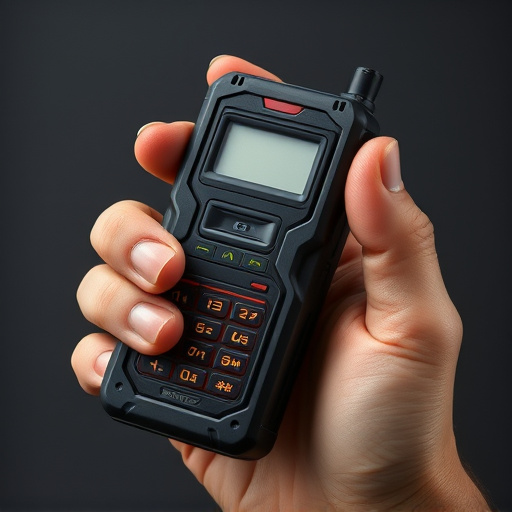
In the realm of personal safety devices, the stun gun has evolved from a bulky, intimidating tool to more discreet and innovative forms, such as the stun gun that looks like a cell phone. This design shift not only caters to modern users’ preferences for compactness but also presents an intriguing challenge: understanding how electrical current spreads within these innovative devices. By analyzing patterns of current distribution, engineers can optimize performance, ensure safety, and enhance user experience.
The unique shape and materials used in stun guns that mimic everyday objects like smartphones require precise calculations to harness electricity effectively. Researchers delve into the electrostatic mystery, studying how charges interact with various components, including electrodes and circuit boards. This analysis is pivotal in determining the device’s shock intensity, duration, and overall effectiveness while keeping users safe from accidental shocks or misusage.
Practical Applications: Enhancing Safety with Current Spread Analysis
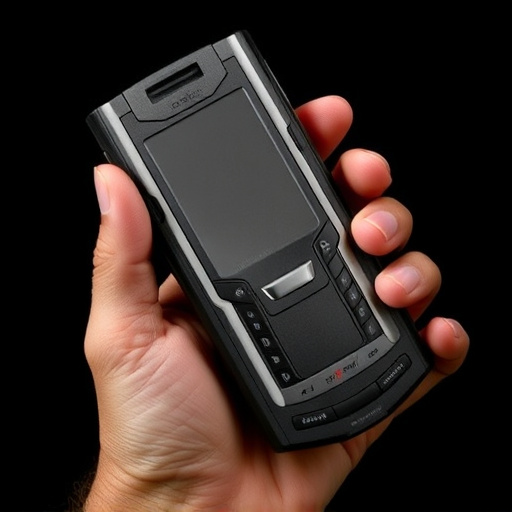
In today’s world, where innovative technologies are becoming increasingly accessible, understanding electrical current spread patterns is more crucial than ever for enhancing safety. One notable application of this knowledge is in the design and functionality of non-lethal weapons, such as stun guns that mimic the appearance of cell phones. By meticulously analyzing how electric current spreads across the body upon impact, engineers can optimize these devices’ effectiveness while minimizing collateral damage. This precise control ensures that stun guns deliver a powerful yet controlled shock, temporarily incapacitating suspects without causing permanent harm.
Moreover, this analysis plays a pivotal role in enhancing overall safety measures. It aids in developing more robust protective gear and shielding materials, ensuring the well-being of individuals in high-risk environments. The ability to predict current spread patterns enables researchers and professionals to create better safety protocols, especially in industries where electrical hazards are prevalent. This proactive approach to safety is a testament to how current spread analysis acts as a game-changer, revolutionizing personal and public security.
Electrical current spread pattern analysis is a powerful tool with diverse applications, from understanding fundamental concepts to enhancing safety measures. By delving into the intricacies of conductivity and resistance, we’ve uncovered key insights that shed light on how current flows. Analyzing stun gun designs, specifically those resembling cell phones, has revealed intriguing electrostatic mysteries, underscoring the importance of this analysis in practical contexts. Ultimately, this knowledge enables us to make informed decisions, foster safety enhancements, and navigate technological advancements like the innovative stun guns that mimic everyday devices.