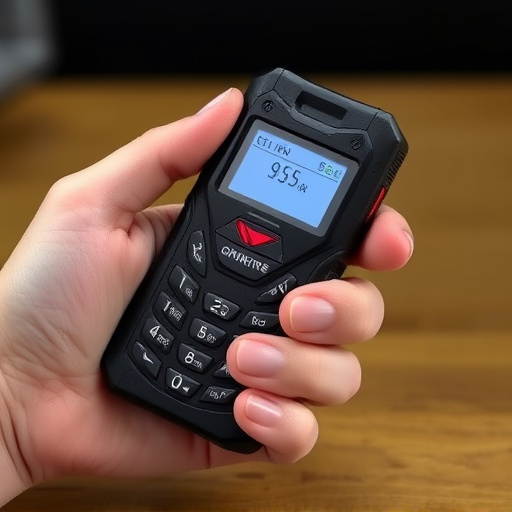
Tasers and stun guns, both non-lethal self-defense tools, offer distinct advantages. Tasers fire probes delivering electrical pulses, temporarily paralyzing targets from a distance. Stun guns emit high-voltage shocks, overwhelming the nervous system. Cell phone-disguised stun guns provide discreet protection with powerful electric shocks, but have limited range. Tasers offer longer range for safe de-escalation but are less concealed. Legal considerations and safety training are crucial when choosing between these options, as both come with their own set of benefits and drawbacks.
In today’s world, self-defense tools have evolved, offering innovative options like Tasers and stun guns. While both devices serve as powerful deterrents, they operate differently. This article explores these unique tools, focusing on understanding how Tasers work and their distinct features compared to stun guns that resemble cell phones—discreet defenses for personal safety. We’ll delve into the key differences, benefits, limitations, legal aspects, and safety precautions surrounding these devices, providing insights crucial for informed choices in real-world scenarios.
- Understanding Tasers: How They Work and Their Unique Features
- Stun Guns That Look Like Cell Phones: Discreet Self-Defense Solutions
- Key Differences Between Tasers and Stun Guns
- Benefits and Limitations of Each Device in Real-World Scenarios
- Legal Considerations and Safety Precautions When Using These Devices
Understanding Tasers: How They Work and Their Unique Features
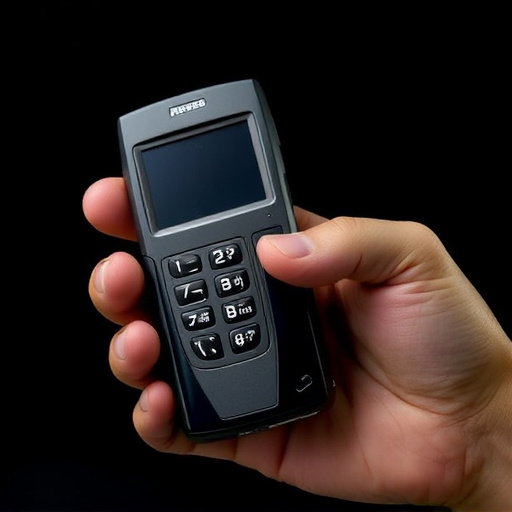
Tasers, often referred to as Electroshock Weapons (ESW), are designed to temporarily incapacitate a target through the delivery of an electric current. They work by firing two small probes connected to thin wires, which make contact with the target’s body. This causes a strong electrical pulse that disrupts the target’s neuromuscular system, leading to muscle spasms and temporary paralysis. The unique features of Tasers include their ability to fire at a safe distance, their non-lethal nature (when used according to guidelines), and their compact design—many modern Tasers look like cell phones, making them easy to conceal and carry.
Unlike stun guns that rely on electrical current conducted through direct contact, Tasers use probes to deliver the shock from a distance, offering more control and safety for users. This technology has revolutionized non-lethal self-defense options, with various models featuring different settings and capabilities tailored to different scenarios and user preferences.
Stun Guns That Look Like Cell Phones: Discreet Self-Defense Solutions
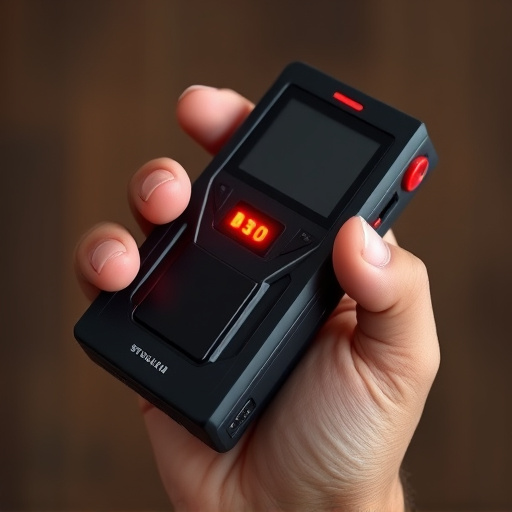
Stun guns that resemble cell phones have emerged as innovative and discreet self-defense solutions for individuals seeking to protect themselves in various situations. These compact devices offer a unique advantage by blending seamlessly into everyday carry items, allowing users to defend themselves without drawing unnecessary attention. With their sleek designs and small form factors, these stun guns can easily be mistaken for regular smartphones or other everyday gadgets, providing peace of mind in potential high-risk scenarios.
The integration of stun functionality into a phone-like device is a game-changer for personal safety. These stun guns are designed to deliver powerful electric shocks, incapacitating an assailant while giving users time to escape. Their compact size makes them convenient for carrying in pockets or bags, ensuring accessibility when needed most. Moreover, the fact that they mimic the look of modern smartphones makes them an attractive option for those seeking a subtle yet effective self-defense mechanism.
Key Differences Between Tasers and Stun Guns
Tasers and stun guns are both non-lethal weapons designed to incapacitate individuals, but they operate on different principles and have distinct characteristics. One key difference lies in their method of delivery; tasers use electrical current to disrupt muscular control, causing the target to experience muscle spasms and temporary paralysis. In contrast, stun guns emit a high-voltage, low-current electric discharge that overloads the nervous system, leading to disorientation and incapacitation.
Another notable distinction is their appearance, particularly when it comes to stun guns that look like cell phones. Stun devices designed to mimic mobile phones are often smaller and more compact, making them easier to conceal. This stealthy design appeals to users seeking a discreet self-defense option. Conversely, tasers tend to have a bulkier, more specialized appearance due to their intricate mechanisms and the need for rechargeable cartridges, which may limit their appeal as a fashion accessory or concealable weapon.
Benefits and Limitations of Each Device in Real-World Scenarios
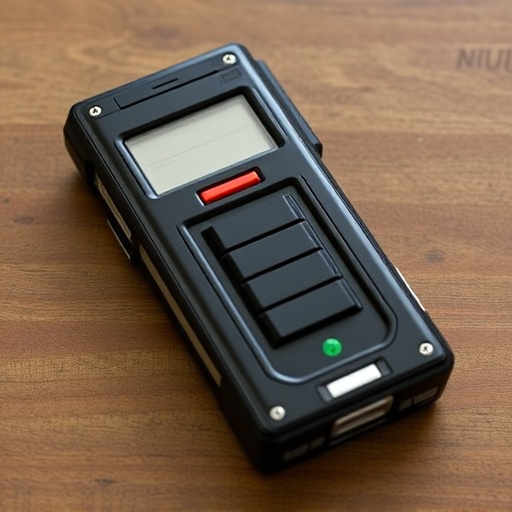
In real-world scenarios, both Tasers and stun guns offer unique advantages and drawbacks when it comes to self-defense and law enforcement applications. A stun gun that looks like a cell phone is easily concealable, making it an attractive option for personal protection. Its primary benefit lies in its ability to temporarily incapacitate a target with a powerful electric shock, allowing users to escape or subdue an attacker without causing serious injury. However, the range of such devices is typically limited, and they may not be as effective in crowded or obstructed areas. Moreover, stun guns have been known to cause discomfort or pain without always ensuring complete immobilization.
On the other hand, Tasers (or Conducted Electrical Weapons) provide a longer-range option, allowing operators to disable a target from a safe distance. They are widely used by law enforcement due to their non-lethal nature and effectiveness in de-escalating potentially dangerous situations. However, Tasers may not be as discreet as stun guns, as they often have a distinctive design that can draw attention. Additionally, there is a growing concern about the potential for overuse or inappropriate use of Tasers, leading to adverse outcomes for certain individuals.
Legal Considerations and Safety Precautions When Using These Devices
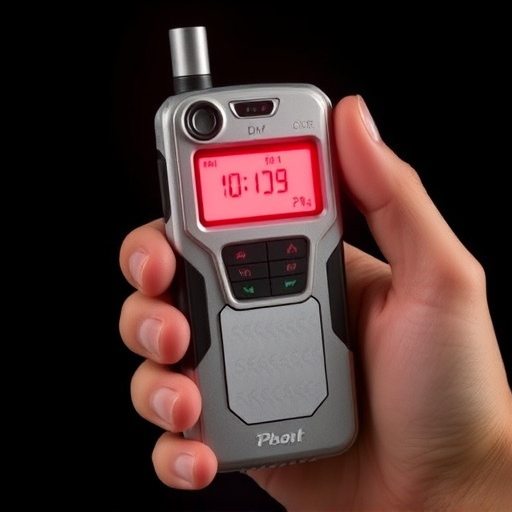
When considering either a taser or a stun gun, it’s crucial to understand the legal implications and safety precautions associated with each device. Legally, both weapons have distinct regulations due to their non-lethal nature. Stun guns, often disguised as cell phones, are typically permitted in more locations, including certain states allowing them for personal protection without a permit. In contrast, tasers usually require specific licensing or permits, and their use is regulated more strictly, especially for law enforcement.
Safety precautions differ significantly between the two. Stun guns deliver a powerful electrical shock over a shorter duration, making them suitable for disabling an assailant temporarily. Tasers, however, fire small probes that deliver a longer, more intense pulse, potentially causing muscle rigidity and discomfort. Due to their impact, taser users must adhere to strict safety protocols, including ensuring minimal risk to bystanders and proper training in their use.
In exploring the distinctions between Tasers and stun guns, we’ve uncovered unique capabilities catering to diverse self-defense needs. While Tasers excel in immobilizing via muscle confusion, stun guns offer immediate pain compliance through high voltage. The advent of discreet stun guns resembling cell phones caters to those seeking unobtrusive protection. When deciding between these devices, understanding their mechanics, benefits, and legal implications is paramount for effective and safe self-defense.