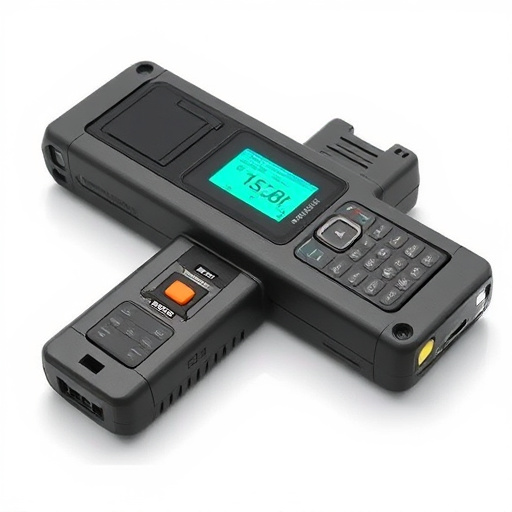
A stun gun designed to mimic a smartphone offers a discreet and effective self-defense solution, appealing to users through its modern aesthetics and realistic touch screen interface. With key performance metrics including power, safety, and effectiveness, these devices also feature advanced features like LED flashlights for low-light situations. Legal considerations and proper training are crucial for their safe and compliant use, making them a viable option for personal defense while addressing potential stigmas and varying legal landscapes.
In today’s world, personal safety is paramount. One innovative solution gaining traction is the non-lethal self-protection device disguised as a common cell phone—a stun gun that offers a discreet yet powerful defense option. This article explores the multifaceted aspects of these unique devices, from their sleek design and performance capabilities to legal implications and user training. Discover why a stun gun that looks like a cell phone could be your best kept personal safety secret.
- Design and Disguise: The Cell Phone Stun Gun's Aesthetics
- Performance Metrics: Power, Safety, and Effectiveness
- Legal Considerations and User Training: Ensuring Responsible Use
Design and Disguise: The Cell Phone Stun Gun's Aesthetics
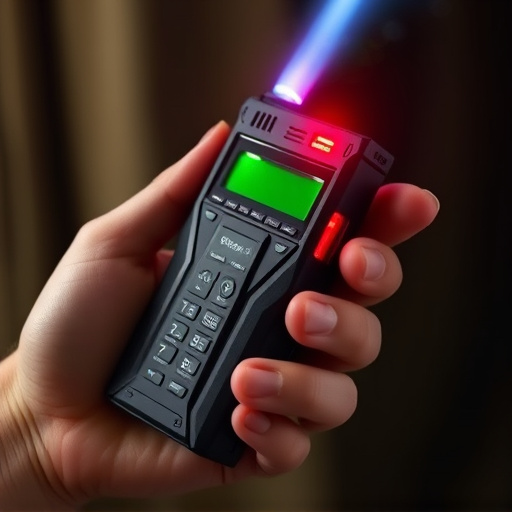
The design of a stun gun that looks like a cell phone is a clever twist on self-defense technology, offering users a discreet and unassuming way to protect themselves. This innovative device cleverly disguises its true purpose as a powerful non-lethal weapon behind the familiar form factor of a smartphone. With its sleek and slim profile, smooth curves, and modern aesthetics, it blends seamlessly into today’s tech-driven society. The disguise isn’t just about appearance; it also incorporates functional features like a realistic touch screen interface and LED notifications, making it virtually indistinguishable from an ordinary mobile phone.
This clever approach to design has significant advantages in terms of user acceptance and effectiveness. By emulating the look and feel of a regular cell phone, individuals can carry and use the stun gun without drawing unnecessary attention. The device’s ability to blend into everyday life encourages its constant carrying, ensuring users are always prepared for potential threats. Moreover, the disguise allows for creative marketing and accessibility, as it appeals to a broader audience who may not typically consider self-defense options due to their appearance or perceived stigma.
Performance Metrics: Power, Safety, and Effectiveness
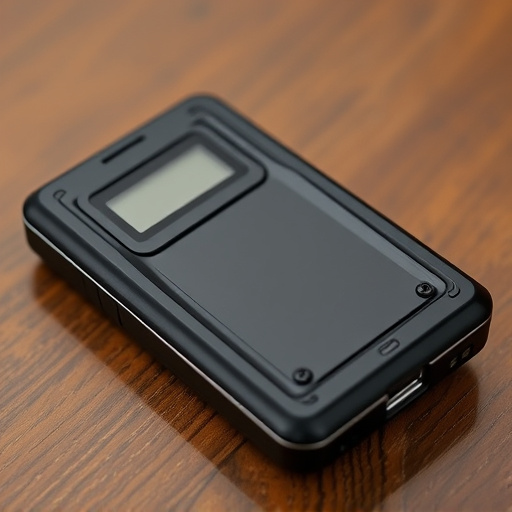
A non-lethal self-protection device, such as a stun gun that resembles a cell phone, is designed to incapacitate an attacker temporarily while ensuring user safety. Performance metrics for these devices heavily focus on three key areas: power, safety, and effectiveness.
Power refers to the electrical charge delivered by the device, measured in joules. A higher joule rating generally indicates greater stun capability. However, it’s crucial to balance this with safety considerations. Devices that look like cell phones often employ lower voltage settings to minimize risk of permanent injury or accidental discharge. Effectiveness is determined by factors like the device’s range, contact requirements, and the ability to disrupt an attacker’s motor functions, allowing the user to escape safely. Advanced features like LED flashlights integrated into these stun guns can also enhance visibility during low-light situations.
Legal Considerations and User Training: Ensuring Responsible Use
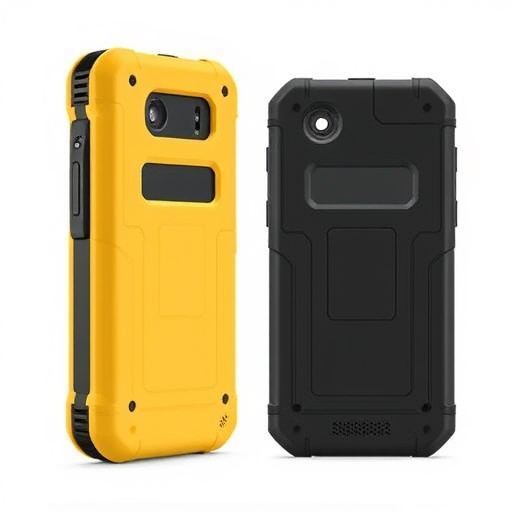
When considering non-lethal self-protection devices, such as a stun gun that looks like a cell phone, users must navigate a landscape of legal considerations. The legality of these tools varies widely depending on location; some regions permit their use for personal defense while others restrict or outright ban them. Users should thoroughly research local and state laws to understand the legal implications of carrying and using such devices. This includes obtaining any necessary permits or licenses, as well as being aware of restrictions on where and when they can be deployed.
Training is another crucial aspect of responsible use. While these tools may not require extensive military or law enforcement training, users should undergo adequate instruction to ensure safe and effective deployment. Understanding the device’s range, activation mechanisms, and de-escalation strategies are essential. Proper training empowers individuals to make informed decisions in tense situations, potentially avoiding unnecessary conflicts while still providing a powerful means of self-defense.
A stun gun disguised as a cell phone offers a unique blend of design innovation and personal safety. By combining advanced technology with everyday aesthetics, this non-lethal self-defense device provides users with peace of mind in various situations. With careful consideration of legal aspects and proper user training, these stun guns that look like cell phones can empower individuals while ensuring responsible use. Their compact size, discreet appearance, and powerful performance make them a practical solution for those seeking effective personal protection without the need for lethal force.